

About
Why Dobunni?
The Dobunni Poetry Festival 2026 is Stroud’s first dedicated poetry festival, creating a cultural home for writers, readers, and audiences of all ages.
Stroud is a town rich in creativity, a place known for its independent spirit, its artistic communities across disciplines and its deep connection to landscape and radical thought.
We chose the name Dobunni to root the festival firmly in the landscape and history of this part of Gloucestershire. The Dobunni were an Iron Age tribe whose territory covered much of what is now the Severn Vale, the Cotswolds, and the Five Valleys - including Stroud. Their presence shaped the rural character of this region long before modern boundaries existed, leaving traces in archaeology, place names and the deep cultural memory of the land.
By naming the festival after the Dobunni, we’re honouring a lineage of creativity and connection to place. It signals that this is a festival grown from the ground up - shaped by the people who live and work here, attentive to the rural territory that has always held stories, and committed to celebrating the voices that rise from it today.
The name anchors the festival in a specific geography and heritage, while opening a space for contemporary writers to explore what it means to belong to and live with this landscape now.
Platforming emerging and established voices
The festival will run across three days, 15–17 October 2026, bringing together headline poets of national standing with the exceptional local talent already thriving in the Five Valleys and across Gloucestershire. We aim to create a platform where emerging and established voices can share work side by side, strengthening the region’s literary ecosystem and giving Stroud the kind of cultural infrastructure it deserves.
At its heart, the Dobunni Poetry Festival is about access, opportunity, and belonging
We want to build a festival that feels open to everyone - from young people discovering poetry for the first time to older writers who have never had a space to share their work publicly. Stroud has a vibrant poetry community, but it lacks a central event where people can gather, connect, learn, and feel part of something larger. This festival will provide that anchor.
We have high hopes of making this an annual festival!
Fair pay for poets
This festival will set the bar for how poetry festivals pay fair rates to poets and provide a wide range of events with something for everyone to enjoy, featuring big names and local poets. This is a celebration of poetry and local and regional talent with a strong focus on community and place. Poetry is a powerful tool for creative expression, one that brings joy and inspiration, and our poets deserve recognition for the stories they tell. As this is the national year for reading, we want this festival to encourage people to read poetry. We also welcome people not familiar with attending poetry events. This festival is, after all, a celebration of words, language and connection to place, for all to enjoy. The festival team are passionate about the transformational impact that creative writing has. The writing community deserve fair rates and should not be expected to perform/read for free or low fees.
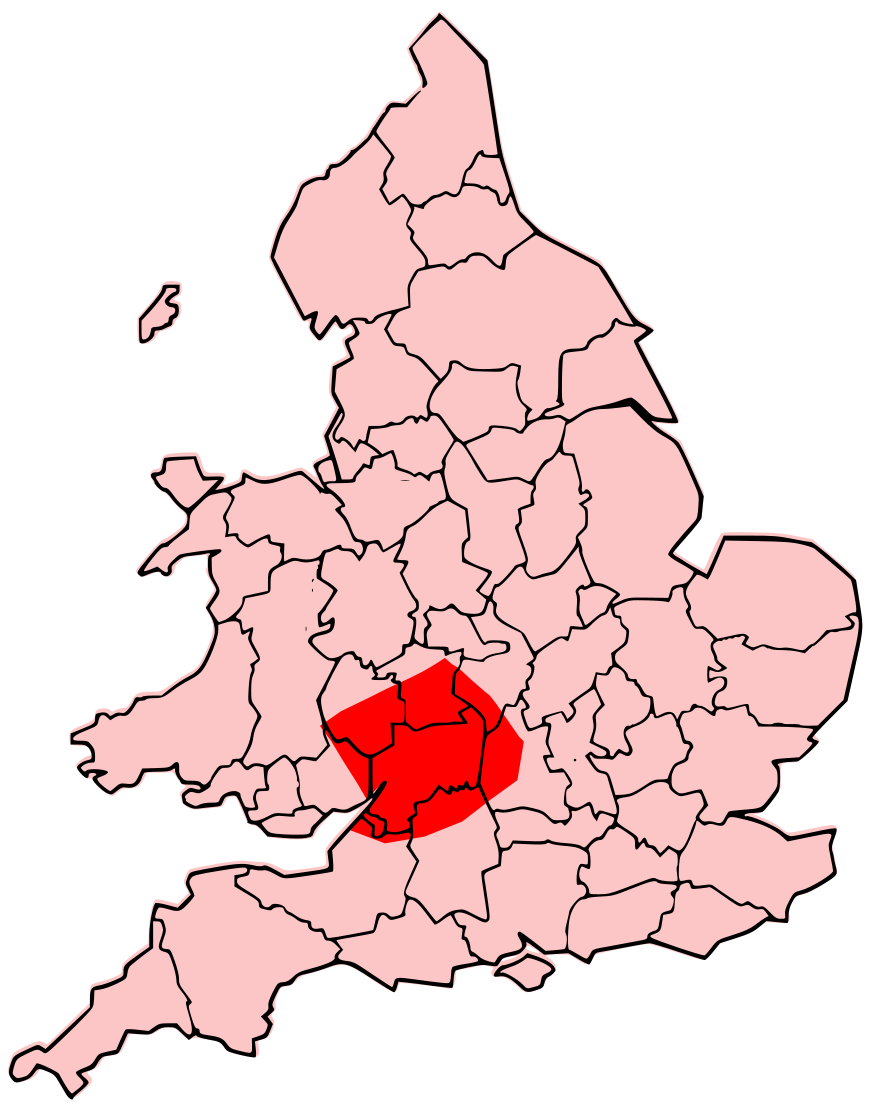
A map showing the territory of the Dobunni tribe overlayed in red in the context of the modern county boundaries of England and Wales. Source: Wikimedia Commons © Public Domain.
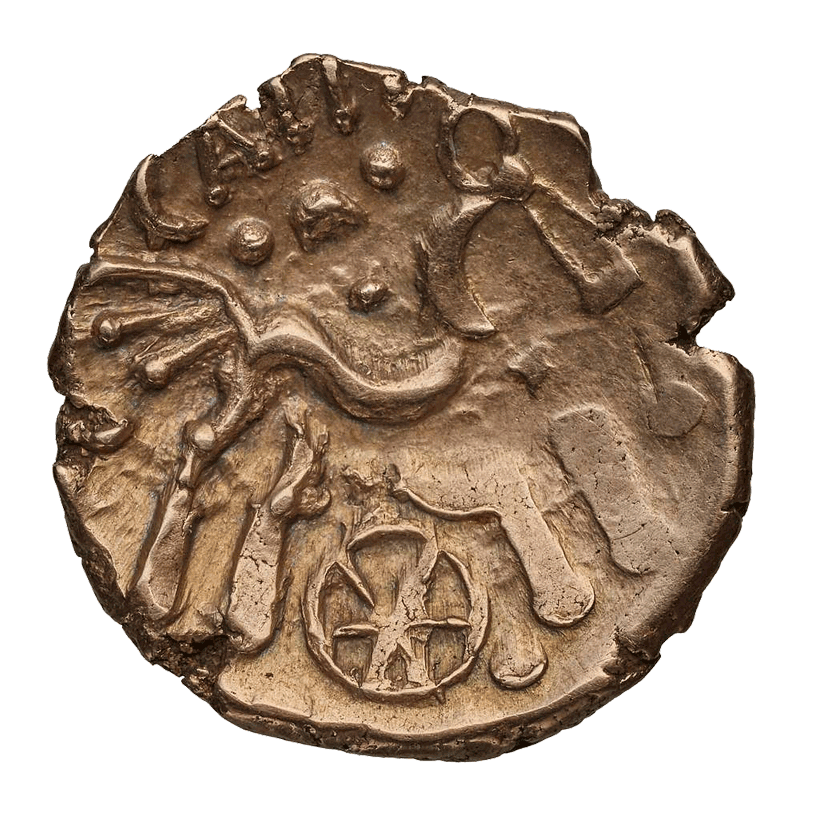
A Dobunni coin. Source: Français : Bibliothèque nationale de France, département Monnaies, médailles et antiques, BnF 9545 (GAU-10066) © Public Domain.

Meet the team
Three local writers and facilitators came together to organise this new poetry festival, which is a partnership between Dialect Writers CIC and the Gloucestershire Poetry Society, with support from Stroud Arts Festival. The team has since expanded to include eight members - find out more below!
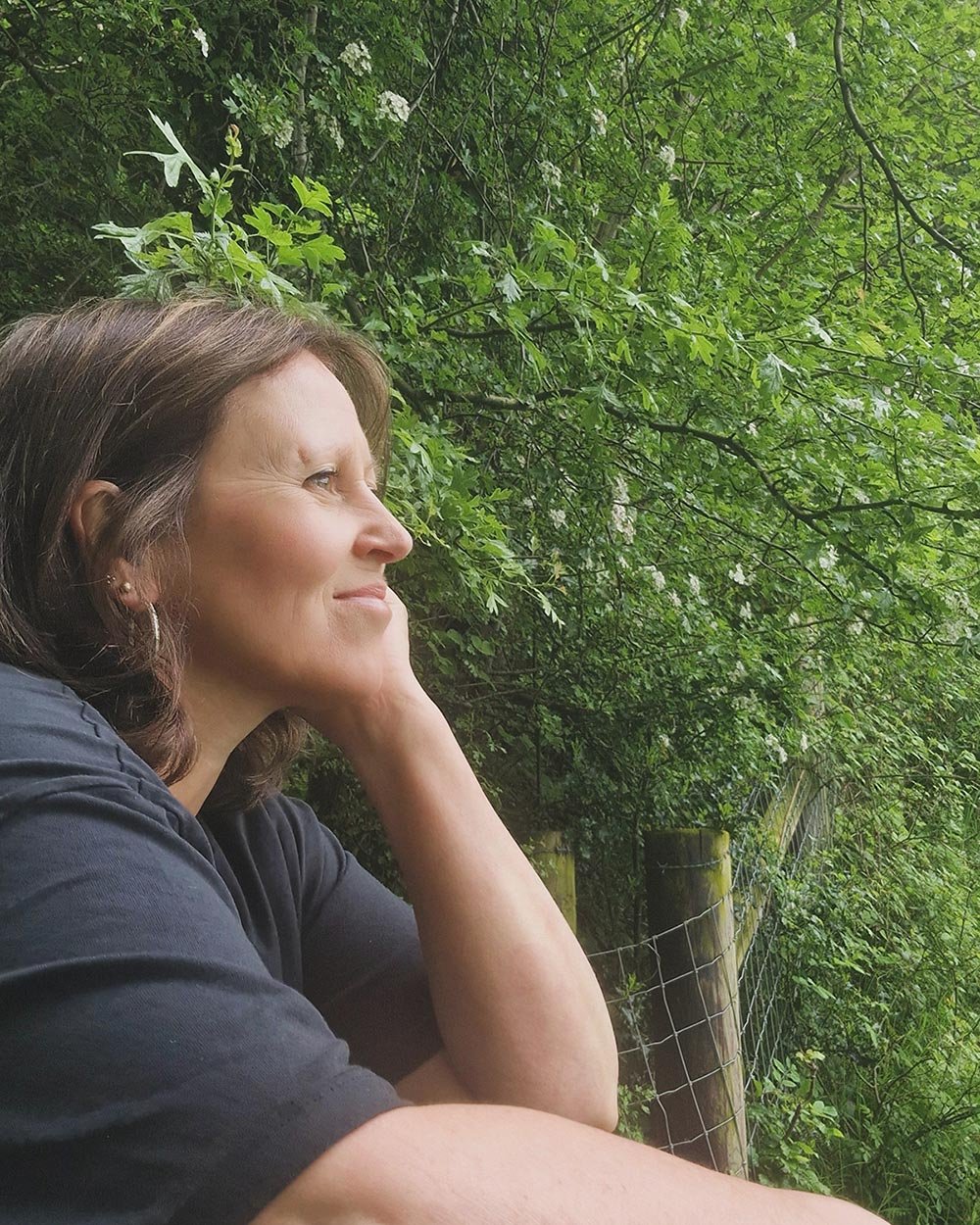
JLM Morton
JLM Morton is co-director of Dialect. Her poetry has appeared on BBC6 Music, in Poetry Review, Poetry London, Rialto, Magma, Mslexia and elsewhere. She’s won the Geoffrey Dearmer and Laurie Lee prizes and was highly commended by the Forward Prizes. Her debut collection, Red Handed (2024), and latest, Borrowed Ground (2026), are published by Broken Sleep Books.
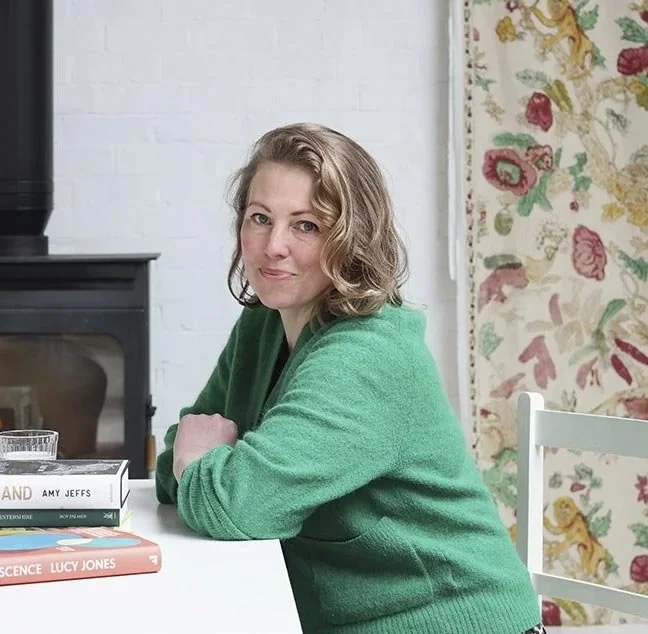
Emma Kernahan
Emma is co-director of Dialect and is a short fiction and comedy writer with a background in support work.
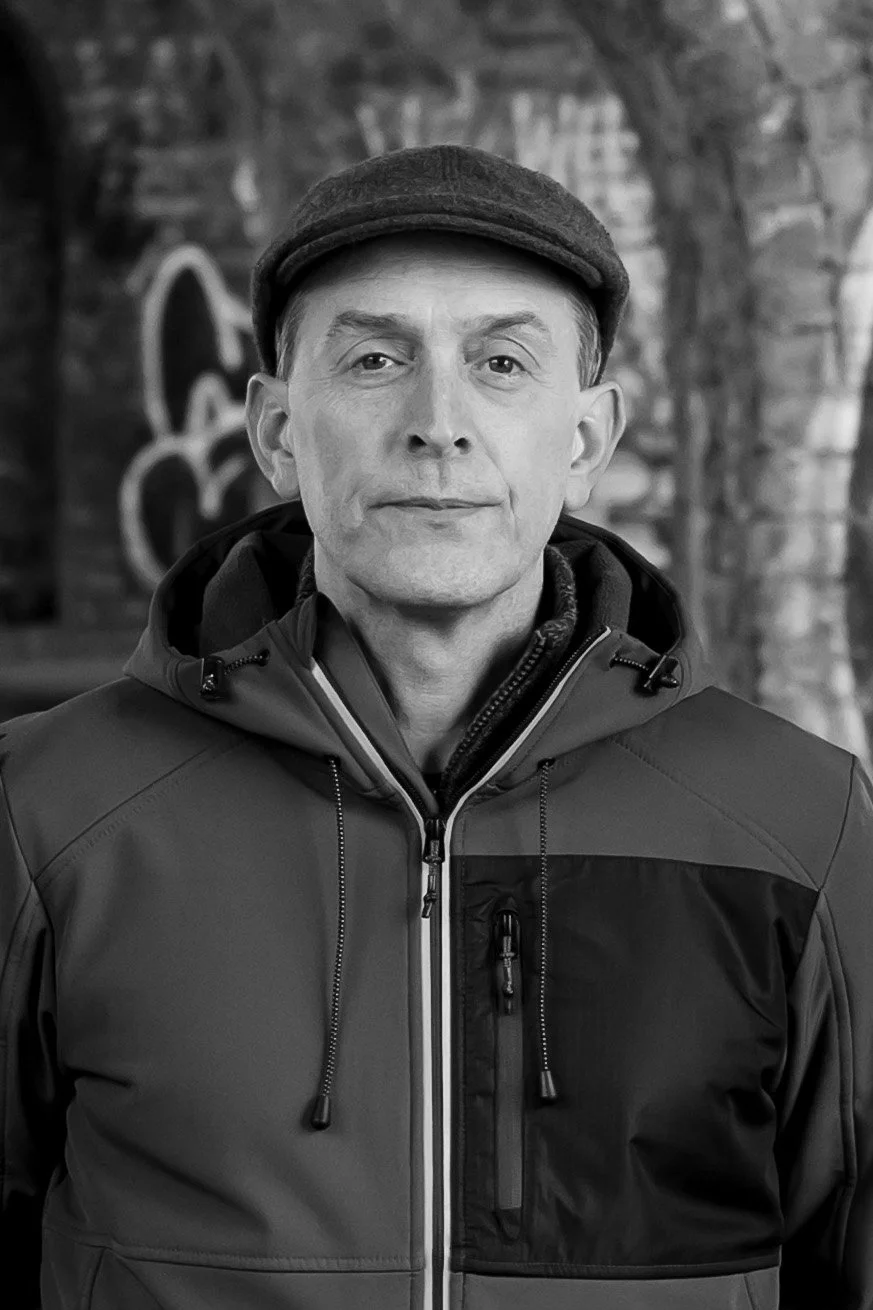
Jason Conway
Jason is a professional daydreamer, director of the Gloucestershire Poetry Society and Editor of Steel Jackdaw Magazine. Originally from Staffordshire, he relocated to Gloucestershire in 2008 and fell in love with Stroud. His debut collection is the wash of hours (Black Eyes Publishing UK). He lives and works in the town as an award-winning multidisciplinary autistic creative. Jason is a published author and poet with a deep connection to nature. You can often find him exploring the local area in contemplation, admiring its rural beauty and many juxtapositions.
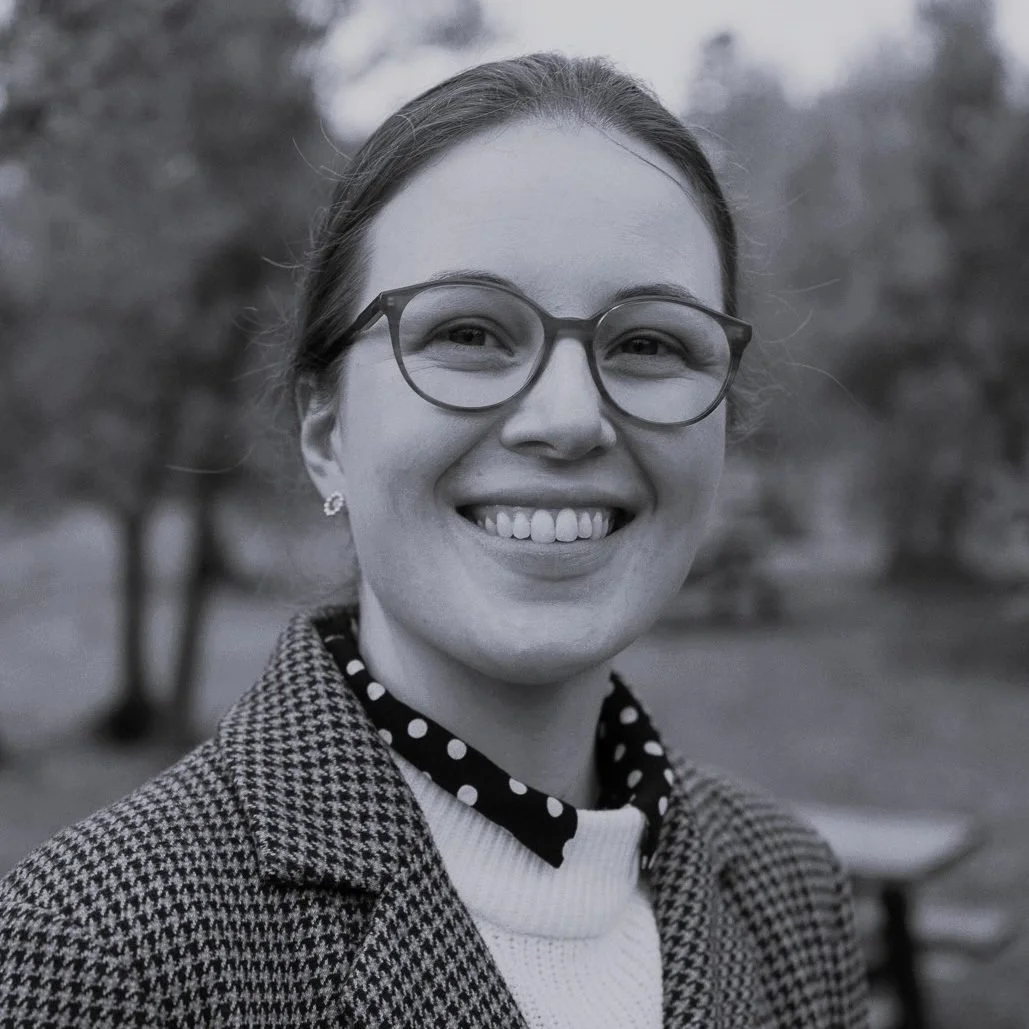
Cathleen Mair
Cathleen is a creative producer and writer based in Stroud with nearly ten years of experience organising events in the arts and higher education sectors. She is the festival’s volunteer coordinator.
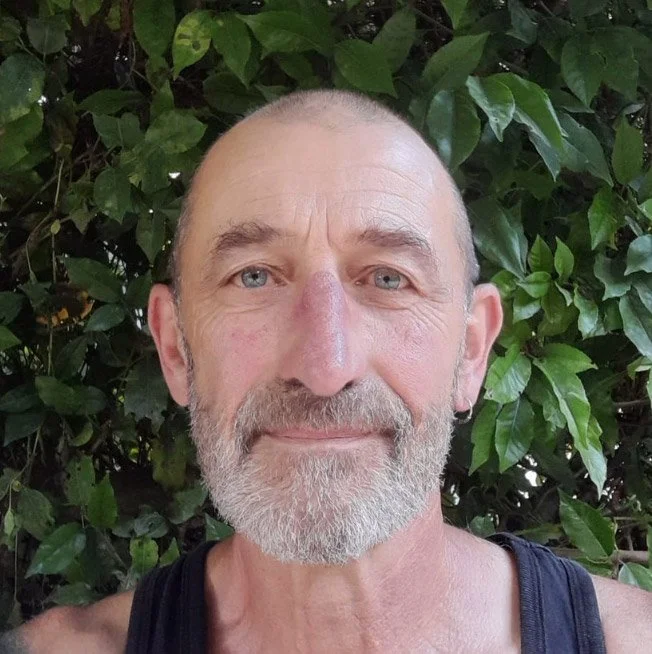
Alun Hughes
Alun is a poet, non-fiction writer and wilderness guide living in Stroud. His work has been published variously by Yew Tree Press, Ambient Receiver, Amplify Stroud, Steel Jackdaw and as Salmon Paths on Substack. Debut pamphlet Down the Heavens (2022). In the same year, Lensmen album Somewhere Somewhere was released. He is currently working on his next collection, Digeny, and collaborating with Sean Borodale on a collection for Dialect Press. His poetry film, Long Barrow to Cuda Falls, debuted at the 2026 NeoAncients Festival.
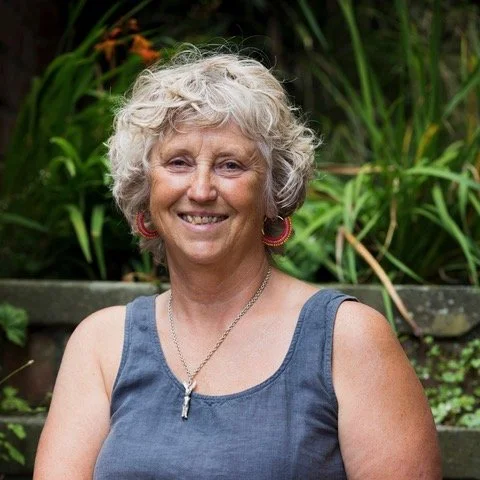
Jacqui Stearn
Born a Londoner, raised in a new town, Jacqui has lived in and around Stroud for the last 35 years. Two pamphlets of her work have been published by Yew Tree Press, one from a shared writing residency in the Cotswold Water Park created by Dialect. Over the last couple of years, individual poems have appeared in Steel Jackdaw and Dawntreader and this year her work was shortlisted for the Gloucestershire Writers Network Islands competition. She is currently a University of Gloucestershire Creative and Critical Writing MA student. She has been walking the River Frome and her tributaries from their sources to the River Severn for the past year as research for her dissertation, walking as a poetic practice. Jacqui is also delighted to be the Voice of Nature on the board of Create Gloucestershire.
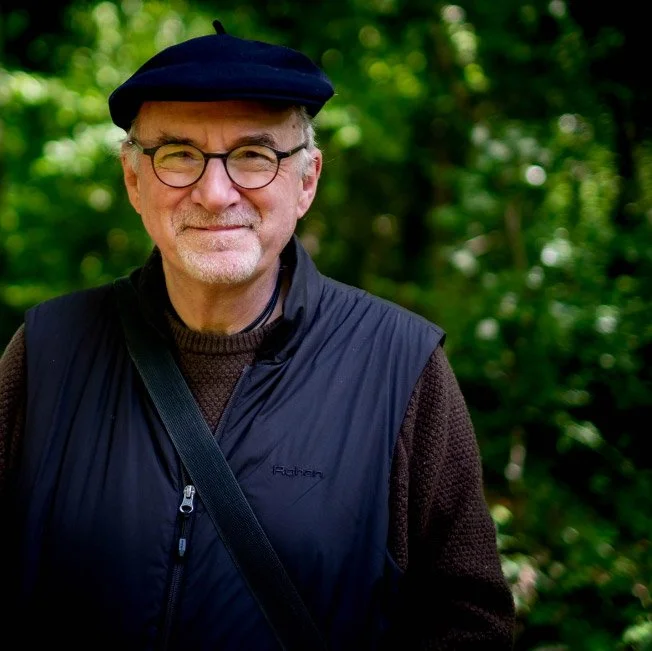
Philip Rush
Philip was born in Middlesex. Big Purple Garden Paintings was short-listed for the Aldeburgh First Collection Prize. He has collaborated with the photographer Andrew Fusek Peters; his most recent book of poems is Camera Obscura from The Garlic Press, and his most recent pamphlet is Dusk Code.
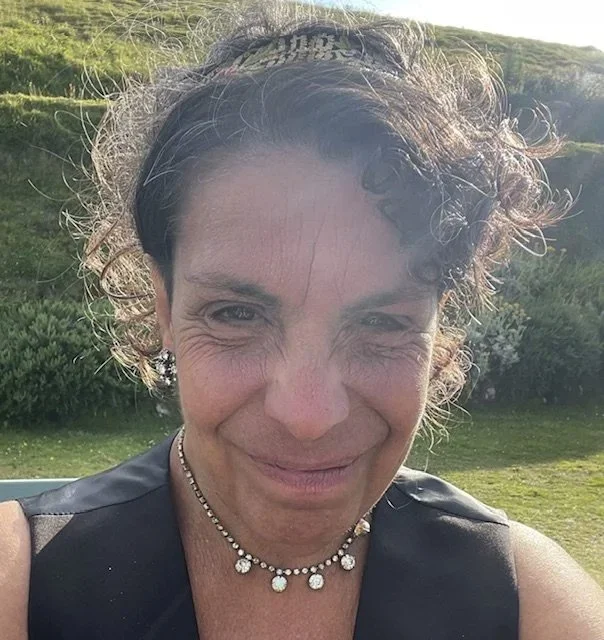
Charlotte Levene
Charlotte is a resting social worker and active writer living in Stroud. She writes short stories, plays, poems and articles. She has been shortlisted and highly commended for short story competitions and recently completed a Creative Writing MA at Bristol University, graduating with a Distinction.